Fresh Mango Fruit Cup – Sweet, Juicy & Ready to Eat
Blog

Fresh O Fruit Premium Mango Fruit Cup – Fresh, Sweet

Fresh O Fruit Mango Fruit Cup is prepared using carefully selected sweet and juicy mangoes to deliver freshness and nutrition in every bite. Our mango cups contain no artificial colors and no preservatives, making them a healthy snack choice for kids and adults. The mango fruit cup is rich in essential vitamins and antioxidants that support your overall health while satisfying your sweet cravings naturally. Whether you need a quick breakfast, office snack, gym snack, or evening refreshment, our mango cup is the perfect choice. 🥭 Mango Fruit Cup Benefits & Advantages ✅ Rich in Vitamin A for healthy eyes and skin.✅ Contains Vitamin C which helps support immunity.✅ Provides natural energy without artificial ingredients.✅ Supports healthy digestion because of dietary fiber.✅ Contains antioxidants that help protect the body from free radicals.✅ Naturally sweet and satisfying.✅ Low in fat and cholesterol free.✅ Easy to carry and ready to eat anywhere.✅ No preservatives and no artificial colors.✅ Suitable for children, students, office workers, and fitness lovers. SEO Keywords Mango Fruit Cup Fresh Mango Cup Healthy Fruit Snack Ready to Eat Mango Fresh O Fruit Mango Cup Natural Mango Snack Mango Cubes Cup Premium Fruit Cup Healthy Snack India Fresh Fruit Cup Ahmedabad Product Highlights 🥭 Handpicked Sweet Mangoes🌿 100% Natural Ingredients❌ No Preservatives💪 Rich in Vitamins A & C⚡ Natural Energy Booster🍃 Supports Digestion❤️ Healthy and Refreshing Snack

Fresh O Fruit Premium Orange Fruit Cup
Blog

Fresh O Fruit Premium Orange Fruit Cup

Enjoy the refreshing taste of fresh, juicy, and naturally sweet oranges with Fresh O Fruit Orange Fruit Cup. Carefully selected premium oranges are cut into bite-sized pieces and packed hygienically to give you a healthy and delicious snack anytime, anywhere. Perfect for breakfast, office breaks, gym snacks, school tiffins, travel, and evening cravings. ✅ Benefits of Orange Fruit Cup 🍊 Rich in Vitamin C – Helps support your immune system and overall health. ✨ Good for Skin Health – Vitamin C helps support collagen production, which is important for healthy skin. 💧 Keeps You Hydrated – Oranges contain a high amount of water, making them refreshing in hot weather. ⚡ Natural Energy Source – Provides quick natural energy without heavy processed ingredients. ❤️ Supports Heart Health – Contains nutrients and antioxidants that are associated with heart health. 🌿 Contains Antioxidants – Helps protect the body from oxidative stress. 🥗 Healthy Snack Choice – A lighter alternative to fried snacks and sugary treats. 😋 Easy to Eat Anywhere – Convenient for office workers, students, travelers, and fitness enthusiasts. 🎯 Best Uses ✅ Breakfast companion✅ Evening healthy snack✅ Office lunch break✅ School and college tiffin✅ Post-workout refreshment✅ Party and event serving✅ Travel snack✅ Summer cooling refreshment 👨‍👩‍👧‍👦 Perfect For Kids Students Office employees Gym members Health-conscious customers Travelers Families\ “Freshness in Every Bite!” Eat Fresh, Stay Healthy 🍊 Natural Sweetness, Real Nutrition Healthy Snacking Made Delicious Fresh Fruits, Fresh Energy Taste the Freshness of Nature 🍊 Fresh, juicy and naturally delicious! Try our Fresh O Fruit Orange Fruit Cup made from premium quality oranges. Packed with Vitamin C and refreshing goodness, it’s the perfect healthy snack for your busy day. ✅ Freshly Cut✅ Hygienically Packed✅ Rich in Vitamin C✅ Ready to Eat Healthy can be delicious too! 😍 #FreshOFruit #OrangeCup #HealthySnack #FreshFruit #FruitCup #HealthyLifestyle #VitaminC #Ahmedabad #FreshAndHealthy “Sir/Madam, this is our Fresh O Fruit Orange Cup made with fresh premium oranges. It is hygienically packed, rich in Vitamin C, refreshing, and ready to eat. It is a perfect healthy snack for kids, office staff, gym members, and families. Once you try it, you’ll love the freshness and taste!” FRESH O FRUIT 🍊 Fresh Orange Fruit Cup Fresh • Healthy • Hygienic • Ready to Eat Healthy Snacking Starts Here! 🎯 Why Customers Should Buy From You ✔ Freshly prepared daily✔ Premium quality fruits✔ Hygienic packaging✔ Ready-to-eat convenience✔ Great taste and nutrition✔ Suitable for all age groups✔ Perfect for Ahmedabad’s hot weather

Blog

Orange Fruit: The Citrus Powerhouse of Nutrition, Health, and Refreshing Flavor

Orange Fruit: The Citrus Powerhouse of Nutrition, Health, and Refreshing Flavor Orange is one of the most popular and widely consumed citrus fruits in the world. Known for its vibrant color, refreshing taste, and exceptional nutritional value, oranges are enjoyed by people of all ages. Scientifically known as Citrus sinensis, oranges belong to the citrus family and are cultivated in many tropical and subtropical regions across the globe. Packed with vitamin C, antioxidants, fiber, and essential nutrients, oranges are not only delicious but also contribute significantly to overall health and wellness. Whether eaten fresh, juiced, or used in various recipes, oranges are a staple fruit that offers numerous health benefits. What Is an Orange? An orange is a round citrus fruit with a bright orange-colored peel and juicy segments inside. The fruit has a sweet-tart flavor that varies depending on the variety and growing conditions. Oranges are known for their refreshing juice and aromatic zest, making them a favorite ingredient in beverages, desserts, salads, and savory dishes. The fruit grows on evergreen citrus trees and is harvested when fully ripe to ensure optimal sweetness and nutritional value. Nutritional Value of Orange Oranges are low in calories and rich in vitamins, minerals, and plant compounds. A 100-gram serving of fresh orange typically contains: Nutrient Amount Calories 47 kcal Carbohydrates 12 g Natural Sugars 9 g Fiber 2.4 g Protein 0.9 g Fat 0.1 g Vitamin C 89% of Daily Value Folate 8% of Daily Value Potassium 181 mg Calcium 40 mg Magnesium 10 mg Oranges are particularly valued for their high vitamin C content and powerful antioxidants. Health Benefits of Orange 1. Strengthens the Immune System Oranges are an excellent source of vitamin C, which helps boost immunity and supports the body’s defense against infections, colds, and illnesses. 2. Promotes Heart Health The potassium, fiber, and antioxidants found in oranges may help maintain healthy blood pressure levels, improve circulation, and support overall cardiovascular health. 3. Supports Healthy Skin Vitamin C plays a vital role in collagen production, helping maintain firm, youthful, and healthy skin. Regular consumption of oranges may contribute to a natural glow and improved skin texture. 4. Improves Digestion Oranges contain dietary fiber that promotes healthy digestion, supports regular bowel movements, and contributes to a healthy gut environment. 5. Rich in Antioxidants Oranges contain flavonoids, carotenoids, and other antioxidants that help protect cells from oxidative stress and free radical damage. 6. Helps with Hydration With a high water content of around 86%, oranges help keep the body hydrated while providing essential nutrients. 7. Supports Eye Health Oranges contain vitamin A precursors and antioxidant compounds that help protect eye tissues and support healthy vision. 8. May Help Weight Management Low in calories and rich in fiber, oranges can help increase feelings of fullness, making them an excellent snack for weight-conscious individuals. Orange and Immune Health The high vitamin C content in oranges stimulates white blood cell production and helps strengthen the body’s natural defense system. Regular consumption may help reduce the duration and severity of common illnesses. Different Types of Oranges Several varieties of oranges are grown worldwide, including: Navel Oranges Sweet and seedless Easy to peel Ideal for fresh eating Valencia Oranges Juicy and flavorful Popular for juice production Blood Oranges Deep red flesh Rich in antioxidants Unique berry-like flavor Mandarin Oranges Smaller and sweeter Easy to peel Popular snack fruit Culinary Uses of Orange Oranges are highly versatile and can be used in many ways: Fresh Consumption Whole fruit Fruit salads Healthy snacks Beverages Fresh orange juice Smoothies Citrus mocktails Desserts Orange cake Orange marmalade Sorbets Fruit parfaits Savory Dishes Citrus salads Marinades Sauces Glazed vegetables How to Choose the Best Oranges When selecting oranges, look for: Bright, vibrant color Firm texture Smooth skin Heavy weight for their size Fresh citrus aroma Avoid fruits with soft spots, mold, or excessive wrinkling. How to Store Oranges At Room Temperature Oranges can remain fresh for up to one week in a cool, dry place. In the Refrigerator They can stay fresh for two to four weeks when stored in the refrigerator. Juice Storage Freshly squeezed orange juice should be refrigerated and consumed within a few days. Interesting Facts About Oranges Oranges are among the most cultivated fruits worldwide. Orange trees can live and produce fruit for several decades. The peel contains aromatic oils widely used in perfumes and food flavoring. Oranges are naturally rich in over 170 phytochemicals and more than 60 flavonoids. Sweet oranges are believed to have originated in Asia before spreading globally. Potential Side Effects Although oranges are generally safe and healthy, excessive consumption may lead to: Acid reflux in sensitive individuals Mild digestive discomfort Tooth enamel erosion from frequent exposure to citrus acids Allergic reactions in rare cases Moderate consumption is recommended as part of a balanced diet.  

Blog

Pineapple: A Delicious Fruit Packed with Health Benefits

Pineapple: The Tropical King of Fruits – Complete Guide to Nutrition, Benefits, and Uses Introduction Pineapple is one of the most popular tropical fruits in the world, loved for its sweet, juicy flavor and refreshing aroma. Known scientifically as Ananas comosus, pineapple belongs to the bromeliad family and is native to South America. Today, it is cultivated in many tropical and subtropical regions and is enjoyed fresh, dried, juiced, or incorporated into a variety of culinary dishes. With its distinctive spiky exterior, golden-yellow flesh, and rich nutritional profile, pineapple is more than just a delicious fruit—it is a powerhouse of vitamins, minerals, antioxidants, and enzymes that support overall health and wellness. What Is Pineapple? Pineapple is a tropical fruit formed from the fusion of multiple flowers growing around a central core. It has a rough, diamond-patterned outer skin topped with a crown of green leaves. The flesh inside is bright yellow, juicy, and naturally sweet with a slightly tangy taste. The fruit is harvested when fully mature and can be consumed raw or used in beverages, desserts, salads, smoothies, and savory dishes. Nutritional Value of Pineapple Pineapple is low in calories and rich in essential nutrients. A 100-gram serving of fresh pineapple typically contains: Nutrient Amount Calories 50 kcal Carbohydrates 13 g Natural Sugars 10 g Fiber 1.4 g Protein 0.5 g Fat 0.1 g Vitamin C 79% of Daily Value Manganese 44% of Daily Value Vitamin B6 5% of Daily Value Copper 9% of Daily Value Potassium 109 mg Pineapple is especially known for its high vitamin C content and the presence of bromelain, a unique digestive enzyme. Health Benefits of Pineapple 1. Boosts Immunity Pineapple is rich in vitamin C, which helps strengthen the immune system and protects the body against infections. Regular consumption can support the production of white blood cells and improve the body’s natural defense mechanisms. 2. Aids Digestion One of pineapple’s most remarkable components is bromelain, an enzyme that helps break down proteins and supports healthy digestion. It can reduce bloating and improve nutrient absorption. 3. Supports Heart Health The antioxidants, fiber, and potassium found in pineapple contribute to cardiovascular health. These nutrients help maintain healthy blood pressure levels and support proper circulation. 4. Promotes Healthy Skin Vitamin C plays a crucial role in collagen production, which helps maintain firm, youthful, and healthy skin. The antioxidants in pineapple may also help combat damage caused by free radicals. 5. Reduces Inflammation Bromelain has natural anti-inflammatory properties that may help reduce swelling, joint discomfort, and inflammation associated with physical activity and certain health conditions. 6. Strengthens Bones Pineapple contains manganese, an essential mineral that contributes to bone development, strength, and maintenance. Regular intake may support long-term skeletal health. 7. Supports Weight Management Low in calories and high in water content, pineapple can be a satisfying snack that helps control hunger while providing essential nutrients. Pineapple and Digestive Health The bromelain enzyme found in pineapple is highly valued for its digestive benefits. It helps break down complex proteins into smaller amino acids, making digestion easier and more efficient. Pineapple also contains dietary fiber that supports healthy bowel movements and promotes gut health. Culinary Uses of Pineapple Pineapple is an incredibly versatile fruit that can be used in numerous recipes, including: Fresh Consumption Sliced pineapple Fruit salads Healthy snacks Beverages Pineapple juice Smoothies Tropical mocktails Desserts Pineapple cake Pineapple tart Fruit custards Ice cream toppings Savory Dishes Grilled pineapple Pizza toppings Stir-fries Tropical sauces and marinades How to Select a Good Pineapple When buying a pineapple, look for: Golden-yellow color on the outer skin Fresh green leaves Sweet tropical aroma at the base Firm but slightly yielding texture No soft spots or mold A ripe pineapple should feel heavy for its size, indicating good juice content. How to Store Pineapple At Room Temperature Store a whole pineapple at room temperature for 1–2 days if it is already ripe. In the Refrigerator Cut pineapple should be stored in an airtight container and consumed within 3–5 days. Freezing Pineapple chunks can be frozen for several months and used in smoothies or desserts. Interesting Facts About Pineapple Pineapple is not a single fruit but a collection of many individual berries fused together. It takes approximately 18–24 months for one pineapple plant to produce a single fruit. Pineapple was once considered a symbol of hospitality and luxury. The fruit contains bromelain, an enzyme rarely found in other fruits. Pineapple plants can produce fruit multiple times during their lifespan. Potential Side Effects While pineapple is generally safe for most people, excessive consumption may cause: Mouth irritation due to bromelain Digestive discomfort in sensitive individuals Allergic reactions in rare cases Temporary tongue sensitivity People with specific allergies or medical concerns should consult a healthcare professional before consuming large amounts.  

Blog

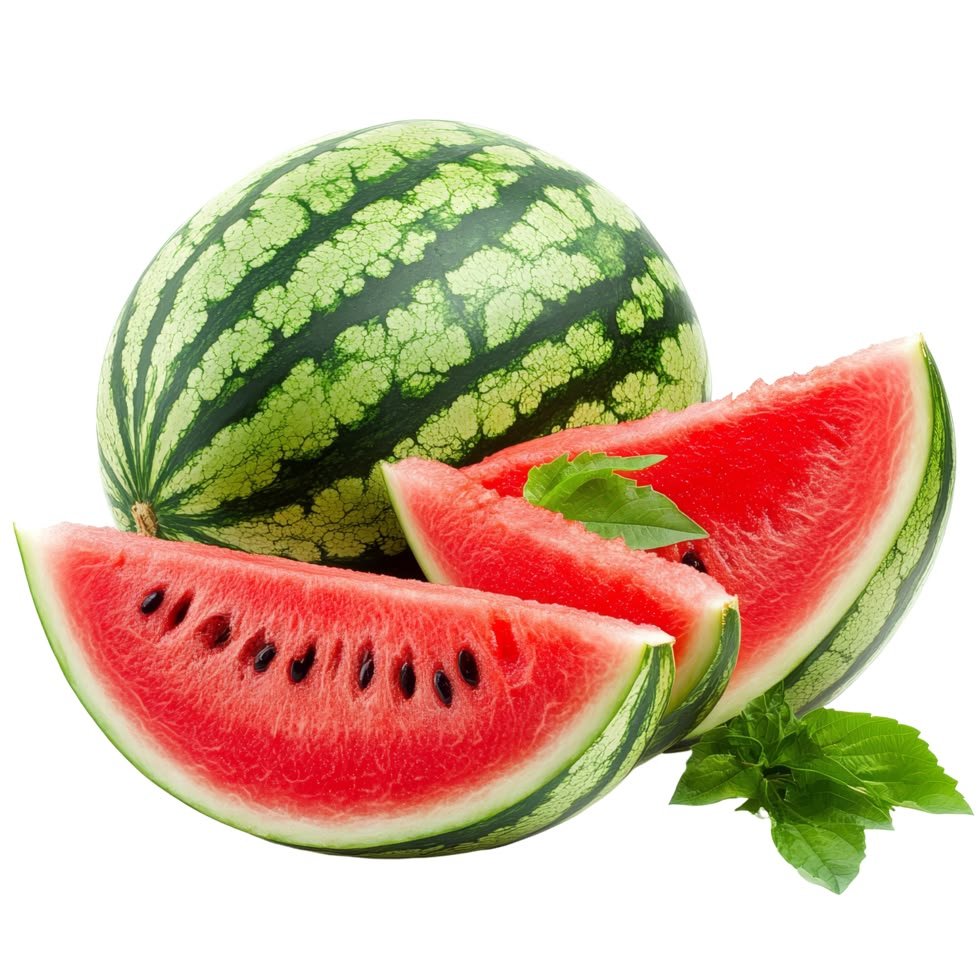
Watermelon: The Ultimate Summer Hydrating Fruit

Watermelon: The Ultimate Summer Hydrating Fruit   Introduction Watermelon is one of the most refreshing and loved fruits in the world, especially during hot summer days. Known scientifically as Citrullus lanatus, watermelon is famous for its high water content, sweet taste, and cooling properties. This juicy fruit is not only delicious but also packed with essential nutrients, antioxidants, and hydration benefits that make it a perfect choice for maintaining health in warm climates. Whether eaten fresh, blended into juices, or added to fruit salads, watermelon is a symbol of summer refreshment and natural hydration. Origin and History of Watermelon Watermelon is believed to have originated in Africa thousands of years ago, where it was first cultivated for its water-rich content. Over time, it spread to different parts of the world, including Asia, Europe, and the Americas. Today, watermelon is grown in many countries with warm climates, including India, China, Turkey, Brazil, and the United States. It has become one of the most widely consumed fruits during summer seasons due to its cooling and hydrating properties. Physical Characteristics Appearance Large round or oval-shaped fruit. Thick green outer rind, often striped or solid. Bright red, pink, yellow, or orange flesh inside. Contains black or white edible seeds (varies by variety). Texture Extremely juicy and watery. Soft and crisp flesh. Flavor Mildly sweet and refreshing. Naturally hydrating with a clean taste. Nutritional Value of Watermelon Watermelon is low in calories but rich in hydration and essential nutrients. High Water Content Contains about 90–92% water. Helps keep the body hydrated. Rich in Vitamins Vitamin C supports immunity and skin health. Vitamin A supports eye health and vision. Contains Vitamin B6 for energy metabolism. Powerful Antioxidants Lycopene helps protect cells and supports heart health. Beta-carotene supports skin and eye health. Essential Minerals Potassium Magnesium Small amounts of iron and calcium Low in Calories Ideal for weight management and healthy snacking. Health Benefits of Watermelon Keeps the Body Hydrated Its high water content helps prevent dehydration, especially during hot weather. Supports Heart Health Lycopene and potassium help maintain healthy blood pressure and heart function. Aids Digestion Water and fiber help improve digestion and prevent constipation. Boosts Skin Health Vitamin C and antioxidants help maintain glowing and healthy skin. Reduces Muscle Soreness Amino acids like citrulline may help reduce post-exercise muscle fatigue. Supports Weight Loss Low in calories and high in water, watermelon promotes fullness without excess calories. Improves Eye Health Vitamin A helps maintain good vision and eye protection. Popular Varieties of Watermelon Seedless Watermelon Easy to eat. Sweet and convenient. Red-Fleshed Watermelon Most common variety. Sweet and juicy. Yellow Watermelon Yellow or golden flesh. Slightly honey-like taste. Mini Watermelon Smaller size. Perfect for single or small families. Harvest Season Watermelon is a warm-season fruit, typically harvested in late spring and summer. In India and many tropical countries, peak season is from March to July, when the fruit is at its sweetest and juiciest. Uses of Watermelon Fresh Consumption Best enjoyed chilled and sliced as a refreshing snack. Juices and Beverages Used in: Fresh watermelon juice Smoothies Summer coolers Mocktails Fruit Salads Adds sweetness and hydration to mixed fruit bowls. Desserts Used in: Sorbets Popsicles Ice creams Fruit-based desserts Seeds Watermelon seeds are edible and can be roasted for a healthy snack. How to Select Fresh Watermelon When choosing a watermelon, look for: A uniform shape without dents or cracks. A dull green rind (not shiny). A yellow spot on the bottom (indicates ripeness). Heavy weight for its size. A hollow sound when tapped. Storage Tips Whole Watermelon Store at room temperature until cut. Keep in a cool, dry place. Cut Watermelon Refrigerate immediately in airtight containers. Consume within 2–3 days for best taste. Freezing Cut into cubes and freeze for smoothies and drinks. Why Watermelon Is So Popular Watermelon is loved worldwide because it offers: Ultimate hydration. Sweet and refreshing taste. Low calorie content. Easy availability in summer. Versatility in recipes. Cooling effect for the body. It is truly one of the best fruits for beating summer heat

Blog

Grapes: The Sweet and Nutritious Fruit of Nature

Grapes: The Sweet and Nutritious Fruit of Nature Introduction Grapes are one of the oldest and most widely cultivated fruits in the world, loved for their sweet taste, juicy texture, and impressive nutritional benefits. Scientifically known as Vitis vinifera, grapes are enjoyed fresh, dried as raisins, or processed into juices, jams, and various culinary products. Available in a variety of colors including green, red, black, and purple, grapes are a delicious and healthy addition to any diet. Packed with vitamins, minerals, antioxidants, and natural sugars, grapes are often considered a powerhouse fruit that supports overall health and wellness. Origin and History of Grapes Grapes have been cultivated for over 8,000 years and are believed to have originated in regions near the Mediterranean and Western Asia. Throughout history, grapes have played an important role in agriculture, culture, and trade. Today, grapes are grown in many countries around the world, including India, Italy, Spain, the United States, Turkey, and China. Their popularity continues to grow due to their versatility, nutritional value, and delicious flavor. Physical Characteristics Appearance Small, round or oval-shaped fruits. Grow in clusters on vines. Available in green, red, black, purple, and pink varieties. Smooth and thin edible skin. Texture Juicy and tender flesh. Soft yet firm consistency. Contains small seeds in some varieties, while others are seedless. Flavor Naturally sweet with mild tartness. Refreshing and juicy taste. Flavor varies slightly depending on the variety. Nutritional Value of Grapes Grapes are rich in essential nutrients that contribute to overall health. Rich in Vitamins Vitamin C supports immunity. Vitamin K helps maintain healthy bones and blood clotting. Contains several B-complex vitamins. Powerful Antioxidants Grapes contain: Resveratrol Flavonoids Anthocyanins Polyphenols These compounds help protect the body from oxidative stress. Essential Minerals Grapes provide: Potassium Copper Manganese Magnesium Natural Energy Source Natural fruit sugars provide quick and healthy energy. Dietary Fiber Supports digestion and promotes gut health. Health Benefits of Grapes Supports Heart Health Antioxidants and potassium help maintain healthy blood pressure and cardiovascular function. Boosts Immunity Vitamin C strengthens the body’s natural defense system against illnesses. Promotes Healthy Digestion Fiber supports regular bowel movements and digestive comfort. Supports Brain Function Certain antioxidants in grapes may help protect brain cells and support cognitive health. Improves Skin Health Vitamin C and antioxidants contribute to healthy, glowing skin. Helps Reduce Oxidative Stress Polyphenols help combat free radicals that can damage cells. Supports Bone Health Vitamin K and essential minerals contribute to stronger bones. Popular Varieties of Grapes Green Grapes Crisp texture. Mildly sweet flavor. Popular for fresh consumption. Red Grapes Rich color and sweetness. High antioxidant content. Black Grapes Deep purple to black skin. Intensely sweet flavor. Rich in anthocyanins. Seedless Grapes Easy to eat. Popular among children and adults alike. Harvest Season Grapes are generally harvested during late summer and early autumn, depending on the climate and variety. In many regions, fresh grapes are available year-round due to global cultivation and storage methods. Uses of Grapes Fresh Consumption A refreshing and healthy snack enjoyed worldwide. Juices and Beverages Used in: Fresh grape juice Smoothies Fruit cocktails Dried Grapes Processed into raisins, which are widely used in baking and cooking. Desserts Added to: Fruit salads Cakes Tarts Yogurts Jams and Preserves Used to make: Jams Jellies Syrups Fruit spreads How to Select Fresh Grapes When purchasing grapes, look for: Firm and plump berries. Bright, uniform color. Fresh green stems. No wrinkles, mold, or soft spots. Grapes firmly attached to the stem. Storage Tips Refrigeration Store grapes unwashed in the refrigerator. Keep in a breathable container. Wash only before eating. Freezing Wash and dry thoroughly. Freeze for smoothies and frozen snacks. Shelf Life Fresh grapes typically remain fresh for up to one to two weeks when refrigerated properly. Why Grapes Are So Popular Grapes continue to be one of the world’s favorite fruits because they offer: Delicious natural sweetness. Excellent nutritional value. Convenient snack size. Versatile culinary uses. Rich antioxidant content. Year-round availability. Their combination of taste, convenience, and health benefits makes grapes a staple fruit in households around the world


Blog

Dragon Fruit: The Exotic Superfruit Packed with Nutrition

Dragon Fruit: The Exotic Superfruit Packed with Nutrition Introduction Dragon Fruit is one of the most visually stunning and nutritious tropical fruits in the world. Known for its vibrant pink or yellow skin and speckled flesh filled with tiny black seeds, this exotic fruit has gained immense popularity among health-conscious consumers. Scientifically known as Hylocereus and Selenicereus, Dragon Fruit is also commonly called Pitaya or Pitahaya. With its mildly sweet taste, refreshing texture, and impressive nutritional profile, Dragon Fruit is considered a true superfruit that offers numerous health benefits while adding a colorful touch to any diet. Origin and History of Dragon Fruit Dragon Fruit is native to Central and South America, where it has been cultivated for centuries. Over time, it spread to various tropical and subtropical regions, including Southeast Asia, Australia, and India. Today, countries such as Vietnam, Thailand, Malaysia, Israel, and India are among the leading producers of Dragon Fruit. Its growing popularity worldwide is largely due to its unique appearance, health benefits, and versatility. Physical Characteristics Appearance Bright pink, red, or yellow outer skin. Green, scale-like leaves covering the fruit. Oval or elongated shape. Attractive and exotic appearance. Flesh White, red, pink, or purple pulp depending on the variety. Tiny edible black seeds distributed throughout the flesh. Juicy and refreshing texture. Taste Mildly sweet and delicate flavor. Often compared to a blend of kiwi and pear. Light, refreshing, and less sugary than many tropical fruits. Nutritional Value of Dragon Fruit Dragon Fruit is low in calories but rich in essential nutrients and antioxidants. Rich in Vitamin C Supports a healthy immune system. Promotes collagen production. Helps protect cells from damage. High in Antioxidants Contains powerful antioxidants such as: Betalains Flavonoids Phenolic acids These compounds help fight oxidative stress and support overall health. Excellent Source of Fiber Supports digestive health. Promotes regular bowel movements. Helps maintain a healthy gut microbiome. Essential Minerals Dragon Fruit provides: Iron Magnesium Calcium Phosphorus Potassium Healthy Fats The tiny black seeds contain beneficial omega-3 and omega-6 fatty acids. Health Benefits of Dragon Fruit Boosts Immunity Vitamin C and antioxidants strengthen the body’s natural defense system. Supports Digestive Health Its high fiber content promotes healthy digestion and prevents constipation. Helps Maintain Heart Health Fiber, antioxidants, and healthy fats contribute to cardiovascular wellness. Supports Healthy Skin Antioxidants help protect skin cells from environmental damage and aging. Aids Weight Management Low in calories and high in fiber, Dragon Fruit helps promote feelings of fullness. Improves Iron Levels Iron content supports healthy red blood cell production and oxygen transport. Promotes Bone Health Magnesium, calcium, and phosphorus contribute to stronger bones and teeth. Popular Varieties of Dragon Fruit White-Fleshed Dragon Fruit Pink skin with white flesh. Mild sweetness. Most commonly available variety. Red-Fleshed Dragon Fruit Bright pink skin and deep red flesh. Sweeter flavor. Rich in antioxidants. Yellow Dragon Fruit Yellow outer skin with white flesh. Smaller size. Considered one of the sweetest varieties. Harvest Season Dragon Fruit typically fruits multiple times throughout the year in tropical climates. In many regions, the main harvest season occurs from June to November, although production can vary depending on climate and growing conditions. Uses of Dragon Fruit Fresh Consumption Often eaten fresh by simply scooping out the flesh with a spoon. Smoothies and Juices Perfect for: Smoothies Fresh juices Detox drinks Fruit blends Salads Adds color, texture, and sweetness to fruit and vegetable salads. Desserts Used in: Ice creams Sorbets Yogurt bowls Cakes Puddings Decorative Garnish Its vibrant colors make it a popular choice for garnishing dishes and beverages. How to Choose Fresh Dragon Fruit When purchasing Dragon Fruit, look for: Bright, evenly colored skin. Fresh green scales. Slight softness when gently pressed. No large bruises, cuts, or mold. A ripe Dragon Fruit should feel firm yet slightly tender. Storage Tips Room Temperature Store uncut fruit at room temperature for several days until fully ripe. Refrigeration Keep ripe Dragon Fruit in the refrigerator for up to one week. Freezing Cut into cubes and freeze for smoothies and desserts. Why Dragon Fruit Is So Popular Dragon Fruit has become a global favorite because it offers: Unique and attractive appearance. Refreshing taste. High nutritional value. Rich antioxidant content. Low calorie count. Versatility in recipes. Growing popularity among health-conscious consumers. Its combination of beauty, nutrition, and flavor makes it one of the most sought-after exotic fruits worldwide. 🐉🍈✨

Blog

Banana: The World’s Most Popular and Nutritious Fruit

Introduction Bananas are among the most widely consumed fruits across the globe, loved for their natural sweetness, soft texture, and impressive nutritional value. Scientifically known as Musa, bananas are a staple fruit in many countries and are enjoyed by people of all ages. Their convenience, affordability, and health benefits make them one of the most popular fruits in the world. Whether eaten fresh, blended into smoothies, baked into desserts, or used in savory dishes, bananas offer a delicious and nutritious addition to a healthy diet. Origin and History of Bananas Bananas are believed to have originated in Southeast Asia thousands of years ago. Over time, they spread to various tropical and subtropical regions through trade and cultivation. Today, bananas are grown in more than 100 countries and are one of the world’s most important fruit crops. India is among the largest producers of bananas, supplying a wide variety of cultivars that are enjoyed both domestically and internationally. Physical Characteristics Appearance Long, curved fruit with a smooth peel. Green when unripe and yellow when ripe. Some varieties may turn red, purple, or remain green when mature. Texture Soft, creamy, and smooth flesh. Easy to digest and chew. Flavor Naturally sweet with a mild tropical taste. Rich and satisfying texture. Nutritional Value of Bananas Bananas are packed with essential nutrients that support overall health and wellness. Rich in Potassium Helps regulate blood pressure. Supports heart and muscle function. Maintains proper fluid balance. Excellent Source of Vitamin B6 Supports brain development and function. Helps produce important neurotransmitters. Contains Vitamin C Strengthens the immune system. Supports healthy skin and tissue repair. High in Dietary Fiber Promotes digestive health. Helps maintain regular bowel movements. Natural Energy Source Provides healthy carbohydrates. Ideal for athletes and active individuals. Health Benefits of Bananas Supports Heart Health The high potassium content helps maintain healthy blood pressure levels and supports cardiovascular function. Improves Digestion Dietary fiber aids digestion and helps prevent constipation. Boosts Energy Naturally Bananas provide quick and sustained energy, making them an excellent pre- or post-workout snack. Supports Weight Management Fiber promotes feelings of fullness and may help reduce overeating. Enhances Mood and Brain Function Bananas contain nutrients that support the production of serotonin and other mood-regulating chemicals. Helps Maintain Healthy Muscles Potassium and carbohydrates assist muscle recovery and reduce exercise-related fatigue. Popular Banana Varieties Cavendish Banana The most common variety found worldwide, known for its sweet flavor and smooth texture. Red Banana Features reddish-purple skin and a sweeter, creamier taste. Plantain A starchier variety often cooked before consumption. Lady Finger Banana Smaller and sweeter than traditional bananas. Robusta Banana Widely cultivated and known for its rich flavor and high yield. Growing Season Bananas are available throughout the year in tropical and subtropical regions. Unlike many seasonal fruits, banana plants produce fruit continuously under suitable growing conditions, ensuring year-round availability. Uses of Bananas Fresh Consumption A convenient and healthy snack that can be enjoyed anytime. Smoothies and Beverages Perfect for: Smoothies Milkshakes Protein drinks Fruit juices Baking Commonly used in: Banana bread Muffins Cakes Pancakes Desserts Popular in: Ice creams Puddings Fruit salads Custards Savory Dishes Plantains and raw bananas are used in curries, chips, and traditional recipes in many cultures. How to Select Quality Bananas Look for: Bright yellow peel with minimal blemishes. Firm texture without bruises. Pleasant fruity aroma. No signs of mold or excessive softness. For immediate consumption, choose fully yellow bananas. For longer storage, select slightly green bananas. Storage Tips Unripe Bananas Store at room temperature. Keep away from direct sunlight. Ripe Bananas Consume within a few days. Refrigerate to slow ripening (peel may darken, but the fruit remains fresh inside). Freezing Peel before freezing. Ideal for smoothies and baking. Why Bananas Are So Popular Bananas remain one of the world’s favorite fruits because they offer: Natural sweetness. Excellent nutritional value. Year-round availability. Convenient portability. Affordable pricing. Versatile culinary uses. Their balance of flavor, energy, and health benefits makes them a daily dietary staple for millions of people.

Blog

Strawberry: The Sweet and Nutritious Superfruit

Strawberry: The Sweet and Nutritious Superfruit Introduction Strawberries are among the most popular and beloved fruits in the world, cherished for their bright red color, juicy texture, delightful sweetness, and refreshing flavor. Known scientifically as Fragaria × ananassa, strawberries are not only delicious but also packed with essential vitamins, antioxidants, and nutrients that contribute to overall health and well-being. Whether enjoyed fresh, blended into smoothies, added to desserts, or used in jams and sauces, strawberries are a versatile fruit that brings both flavor and nutrition to every meal. Origin and History of Strawberries Strawberries have a rich history dating back centuries. Wild strawberries were consumed by ancient civilizations in Europe and the Americas. The modern garden strawberry originated in the 18th century through the crossbreeding of North American and South American strawberry species. Today, strawberries are cultivated worldwide and are one of the most widely consumed berries due to their appealing taste, nutritional benefits, and versatility. Physical Characteristics Appearance Bright red color when fully ripe. Heart-shaped or conical fruit. Covered with tiny yellow seeds on the outer surface. Green leafy cap attached at the top. Texture Soft, juicy, and tender flesh. Pleasantly smooth with slight firmness. Flavor Sweet with a mild tangy taste. Refreshing aroma and natural sweetness. Perfect balance of sugar and acidity. Nutritional Value of Strawberries Strawberries are considered a nutrient-dense fruit with low calories and high health benefits. Rich in Vitamin C Supports immune health. Helps the body produce collagen. Promotes healthy skin and tissue repair. Excellent Source of Antioxidants Contains anthocyanins, ellagic acid, and flavonoids. Helps protect cells from oxidative stress. High in Fiber Supports digestive health. Helps maintain healthy cholesterol levels. Essential Minerals Potassium Manganese Magnesium Folate Low in Calories Ideal for weight-conscious diets. Naturally fat-free and cholesterol-free. Health Benefits of Strawberries Boosts Immunity The high Vitamin C content helps strengthen the body’s natural defense system against infections. Supports Heart Health Antioxidants and potassium contribute to healthy blood pressure and cardiovascular function. Improves Skin Health Vitamin C promotes collagen production, helping maintain youthful and healthy skin. Aids Digestion Dietary fiber supports digestive health and promotes regular bowel movements. Helps Control Blood Sugar Strawberries have a relatively low glycemic index, making them a smart fruit choice when consumed in moderation. Supports Brain Function The antioxidants found in strawberries may help protect brain cells and support cognitive health. Growing Season Strawberries are generally harvested during the spring and early summer months, although greenhouse cultivation allows year-round availability in many regions. Peak harvest season varies depending on climate and location, but freshly picked strawberries are often sweetest during their natural growing season. Popular Uses of Strawberries Fresh Consumption Enjoyed as a healthy snack or added to fruit bowls. Smoothies and Beverages Perfect for: Smoothies Milkshakes Juices Mocktails Desserts Widely used in: Cakes Pastries Cheesecakes Ice creams Mousses Breakfast Dishes Added to: Yogurt Oatmeal Pancakes Cereals Preserves and Sauces Used to make: Jams Jellies Syrups Fruit spreads How to Choose Fresh Strawberries When buying strawberries, look for: Bright, vibrant red color. Fresh green leaves. Firm and plump texture. Sweet, fruity aroma. No signs of mold, bruising, or soft spots. Avoid strawberries that appear dull, shriveled, or overly soft. Storage Tips Short-Term Storage Refrigerate unwashed strawberries. Store in a breathable container. Consume within 3–5 days for best freshness. Before Eating Wash thoroughly under cold water. Remove stems after washing to preserve flavor. Freezing Wash and dry completely. Freeze individually before transferring to storage bags. Ideal for smoothies and desserts. Why Strawberries Are So Popular Strawberries remain a favorite fruit worldwide because they offer: Delicious sweet flavor. Attractive appearance. Excellent nutritional value. Versatility in recipes. Refreshing taste. Low-calorie health benefits. Their unique combination of taste, health benefits, and culinary uses makes strawberries one of the most cherished fruits across all age groups. ✨

mango

Kesar Mango: The Queen of Indian Mangoes

Kesar Mango: The Queen of Indian Mangoes Introduction The Kesar Mango is one of India’s most celebrated mango varieties, renowned for its rich aroma, vibrant saffron-colored pulp, and exceptionally sweet taste. Often referred to as the “Queen of Mangoes,” Kesar mangoes are highly prized by fruit lovers, chefs, and exporters worldwide. Originating from the western state of Gujarat, this premium mango variety has earned a special place in both domestic and international markets due to its unique flavor profile and superior quality. Origin and History of Kesar Mango The Kesar mango originated in the foothills of the Girnar Mountains in the Junagadh district of Gujarat, India. It was first cultivated in the early 20th century and gained popularity because of its distinctive saffron-colored flesh. The name “Kesar” itself means saffron in Hindi, inspired by the mango’s bright orange-yellow pulp. Today, Kesar mangoes are primarily grown in the Gir region of Gujarat, where the favorable climate and fertile soil contribute to their exceptional taste and quality. The variety has also received Geographical Indication (GI) status, recognizing its unique regional identity. Physical Characteristics Appearance Medium-sized fruit with a round to oval shape. Golden-yellow skin with a slight green tinge when fully ripe. Smooth and attractive exterior. Average weight ranges between 200–300 grams. Pulp Deep orange or saffron-colored flesh. Fiberless and smooth texture. Juicy and highly aromatic. Taste Rich sweetness balanced with mild acidity. Distinct tropical flavor. Intensely fragrant, making it a favorite among mango enthusiasts. Nutritional Benefits of Kesar Mango Kesar mangoes are not only delicious but also packed with essential nutrients. Rich in Vitamins Excellent source of Vitamin A for healthy vision. Contains Vitamin C, which strengthens immunity. Provides Vitamin E and B-complex vitamins. High in Antioxidants Helps combat free radicals. Supports skin health and overall wellness. Dietary Fiber Promotes healthy digestion. Helps maintain gut health. Natural Energy Booster Rich in natural sugars and carbohydrates. Provides instant energy during summer months. Health Benefits Supports Immune Function The high Vitamin C content helps strengthen the body’s natural defense system. Improves Eye Health Vitamin A and carotenoids contribute to better vision and eye protection. Enhances Skin Glow Antioxidants and vitamins help maintain healthy, radiant skin. Aids Digestion Natural enzymes and dietary fiber assist in smooth digestion and prevent constipation. Promotes Heart Health Potassium and antioxidants support cardiovascular wellness when consumed as part of a balanced diet. Harvest Season Kesar mangoes are typically harvested between May and July. During this period, fresh fruits become available in markets across India and are exported to various countries, including the United States, United Kingdom, Canada, and the Middle East. The peak season usually occurs in May and June, when the fruit reaches its best flavor and sweetness. Uses of Kesar Mango Fresh Consumption Enjoyed as a table fruit due to its exceptional sweetness and aroma. Mango Pulp Widely used in: Smoothies Milkshakes Ice creams Yogurts Desserts Traditional Indian Sweets Perfect for preparing: Aamras Mango shrikhand Mango kulfi Mango mousse Processed Products Used in: Juices Jams Squashes Purees Bakery products How to Identify Genuine Kesar Mangoes When purchasing Kesar mangoes, look for: Bright golden-yellow skin. Strong natural aroma near the stem. Firm but slightly soft texture when ripe. Uniform saffron-colored pulp. Sweet fragrance without any fermented smell. Avoid fruits with excessive wrinkles, dark spots, or artificial coloring. Storage Tips Unripe Mangoes Store at room temperature until ripe. Keep away from direct sunlight. Ripe Mangoes Refrigerate to maintain freshness. Consume within 4–7 days for the best flavor. Mango Pulp Store in airtight containers. Freeze for long-term use. Why Kesar Mango Is So Popular Several factors make Kesar mango one of the most sought-after mango varieties: Exceptional sweetness and aroma. Fiberless, smooth texture. Attractive saffron-colored pulp. High nutritional value. Strong export demand. Ideal for fresh consumption and processing. Its premium quality and unforgettable taste continue to make it a favorite among mango lovers around the world.  

Shopping Cart
Scroll to Top