
Fresh Produce

Blog

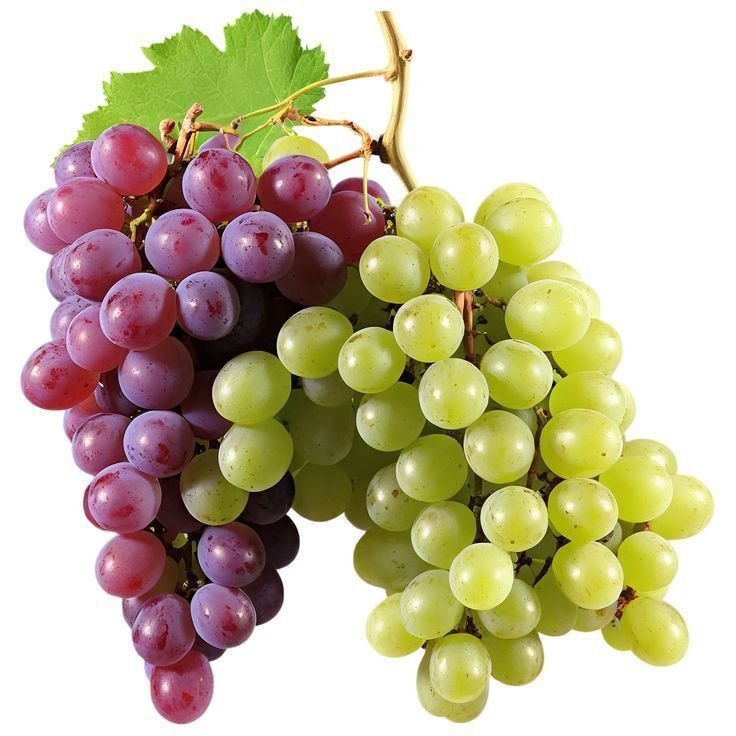
Grapes: The Sweet and Nutritious Fruit of Nature

Grapes: The Sweet and Nutritious Fruit of Nature Introduction Grapes are one of the oldest and most widely cultivated fruits in the world, loved for their sweet taste, juicy texture, and impressive nutritional benefits. Scientifically known as Vitis vinifera, grapes are enjoyed fresh, dried as raisins, or processed into juices, jams, and various culinary products. Available in a variety of colors including green, red, black, and purple, grapes are a delicious and healthy addition to any diet. Packed with vitamins, minerals, antioxidants, and natural sugars, grapes are often considered a powerhouse fruit that supports overall health and wellness. Origin and History of Grapes Grapes have been cultivated for over 8,000 years and are believed to have originated in regions near the Mediterranean and Western Asia. Throughout history, grapes have played an important role in agriculture, culture, and trade. Today, grapes are grown in many countries around the world, including India, Italy, Spain, the United States, Turkey, and China. Their popularity continues to grow due to their versatility, nutritional value, and delicious flavor. Physical Characteristics Appearance Small, round or oval-shaped fruits. Grow in clusters on vines. Available in green, red, black, purple, and pink varieties. Smooth and thin edible skin. Texture Juicy and tender flesh. Soft yet firm consistency. Contains small seeds in some varieties, while others are seedless. Flavor Naturally sweet with mild tartness. Refreshing and juicy taste. Flavor varies slightly depending on the variety. Nutritional Value of Grapes Grapes are rich in essential nutrients that contribute to overall health. Rich in Vitamins Vitamin C supports immunity. Vitamin K helps maintain healthy bones and blood clotting. Contains several B-complex vitamins. Powerful Antioxidants Grapes contain: Resveratrol Flavonoids Anthocyanins Polyphenols These compounds help protect the body from oxidative stress. Essential Minerals Grapes provide: Potassium Copper Manganese Magnesium Natural Energy Source Natural fruit sugars provide quick and healthy energy. Dietary Fiber Supports digestion and promotes gut health. Health Benefits of Grapes Supports Heart Health Antioxidants and potassium help maintain healthy blood pressure and cardiovascular function. Boosts Immunity Vitamin C strengthens the body’s natural defense system against illnesses. Promotes Healthy Digestion Fiber supports regular bowel movements and digestive comfort. Supports Brain Function Certain antioxidants in grapes may help protect brain cells and support cognitive health. Improves Skin Health Vitamin C and antioxidants contribute to healthy, glowing skin. Helps Reduce Oxidative Stress Polyphenols help combat free radicals that can damage cells. Supports Bone Health Vitamin K and essential minerals contribute to stronger bones. Popular Varieties of Grapes Green Grapes Crisp texture. Mildly sweet flavor. Popular for fresh consumption. Red Grapes Rich color and sweetness. High antioxidant content. Black Grapes Deep purple to black skin. Intensely sweet flavor. Rich in anthocyanins. Seedless Grapes Easy to eat. Popular among children and adults alike. Harvest Season Grapes are generally harvested during late summer and early autumn, depending on the climate and variety. In many regions, fresh grapes are available year-round due to global cultivation and storage methods. Uses of Grapes Fresh Consumption A refreshing and healthy snack enjoyed worldwide. Juices and Beverages Used in: Fresh grape juice Smoothies Fruit cocktails Dried Grapes Processed into raisins, which are widely used in baking and cooking. Desserts Added to: Fruit salads Cakes Tarts Yogurts Jams and Preserves Used to make: Jams Jellies Syrups Fruit spreads How to Select Fresh Grapes When purchasing grapes, look for: Firm and plump berries. Bright, uniform color. Fresh green stems. No wrinkles, mold, or soft spots. Grapes firmly attached to the stem. Storage Tips Refrigeration Store grapes unwashed in the refrigerator. Keep in a breathable container. Wash only before eating. Freezing Wash and dry thoroughly. Freeze for smoothies and frozen snacks. Shelf Life Fresh grapes typically remain fresh for up to one to two weeks when refrigerated properly. Why Grapes Are So Popular Grapes continue to be one of the world’s favorite fruits because they offer: Delicious natural sweetness. Excellent nutritional value. Convenient snack size. Versatile culinary uses. Rich antioxidant content. Year-round availability. Their combination of taste, convenience, and health benefits makes grapes a staple fruit in households around the world

Blog

Banana: The World’s Most Popular and Nutritious Fruit

Introduction Bananas are among the most widely consumed fruits across the globe, loved for their natural sweetness, soft texture, and impressive nutritional value. Scientifically known as Musa, bananas are a staple fruit in many countries and are enjoyed by people of all ages. Their convenience, affordability, and health benefits make them one of the most popular fruits in the world. Whether eaten fresh, blended into smoothies, baked into desserts, or used in savory dishes, bananas offer a delicious and nutritious addition to a healthy diet. Origin and History of Bananas Bananas are believed to have originated in Southeast Asia thousands of years ago. Over time, they spread to various tropical and subtropical regions through trade and cultivation. Today, bananas are grown in more than 100 countries and are one of the world’s most important fruit crops. India is among the largest producers of bananas, supplying a wide variety of cultivars that are enjoyed both domestically and internationally. Physical Characteristics Appearance Long, curved fruit with a smooth peel. Green when unripe and yellow when ripe. Some varieties may turn red, purple, or remain green when mature. Texture Soft, creamy, and smooth flesh. Easy to digest and chew. Flavor Naturally sweet with a mild tropical taste. Rich and satisfying texture. Nutritional Value of Bananas Bananas are packed with essential nutrients that support overall health and wellness. Rich in Potassium Helps regulate blood pressure. Supports heart and muscle function. Maintains proper fluid balance. Excellent Source of Vitamin B6 Supports brain development and function. Helps produce important neurotransmitters. Contains Vitamin C Strengthens the immune system. Supports healthy skin and tissue repair. High in Dietary Fiber Promotes digestive health. Helps maintain regular bowel movements. Natural Energy Source Provides healthy carbohydrates. Ideal for athletes and active individuals. Health Benefits of Bananas Supports Heart Health The high potassium content helps maintain healthy blood pressure levels and supports cardiovascular function. Improves Digestion Dietary fiber aids digestion and helps prevent constipation. Boosts Energy Naturally Bananas provide quick and sustained energy, making them an excellent pre- or post-workout snack. Supports Weight Management Fiber promotes feelings of fullness and may help reduce overeating. Enhances Mood and Brain Function Bananas contain nutrients that support the production of serotonin and other mood-regulating chemicals. Helps Maintain Healthy Muscles Potassium and carbohydrates assist muscle recovery and reduce exercise-related fatigue. Popular Banana Varieties Cavendish Banana The most common variety found worldwide, known for its sweet flavor and smooth texture. Red Banana Features reddish-purple skin and a sweeter, creamier taste. Plantain A starchier variety often cooked before consumption. Lady Finger Banana Smaller and sweeter than traditional bananas. Robusta Banana Widely cultivated and known for its rich flavor and high yield. Growing Season Bananas are available throughout the year in tropical and subtropical regions. Unlike many seasonal fruits, banana plants produce fruit continuously under suitable growing conditions, ensuring year-round availability. Uses of Bananas Fresh Consumption A convenient and healthy snack that can be enjoyed anytime. Smoothies and Beverages Perfect for: Smoothies Milkshakes Protein drinks Fruit juices Baking Commonly used in: Banana bread Muffins Cakes Pancakes Desserts Popular in: Ice creams Puddings Fruit salads Custards Savory Dishes Plantains and raw bananas are used in curries, chips, and traditional recipes in many cultures. How to Select Quality Bananas Look for: Bright yellow peel with minimal blemishes. Firm texture without bruises. Pleasant fruity aroma. No signs of mold or excessive softness. For immediate consumption, choose fully yellow bananas. For longer storage, select slightly green bananas. Storage Tips Unripe Bananas Store at room temperature. Keep away from direct sunlight. Ripe Bananas Consume within a few days. Refrigerate to slow ripening (peel may darken, but the fruit remains fresh inside). Freezing Peel before freezing. Ideal for smoothies and baking. Why Bananas Are So Popular Bananas remain one of the world’s favorite fruits because they offer: Natural sweetness. Excellent nutritional value. Year-round availability. Convenient portability. Affordable pricing. Versatile culinary uses. Their balance of flavor, energy, and health benefits makes them a daily dietary staple for millions of people.

Blog

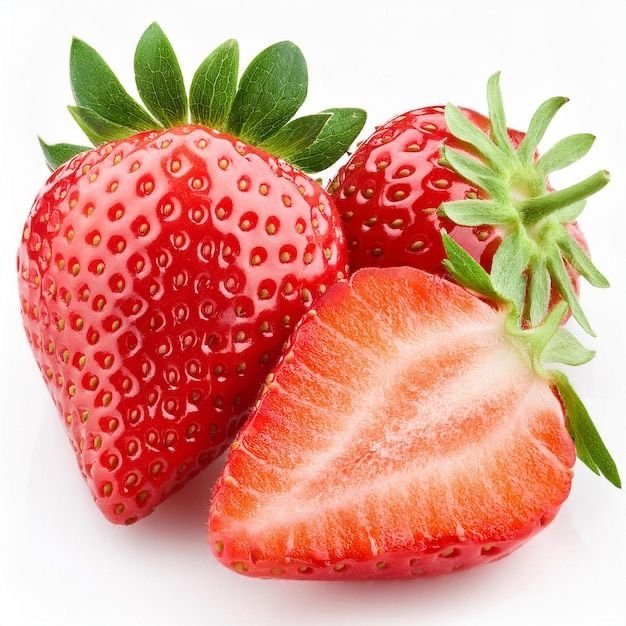
Strawberry: The Sweet and Nutritious Superfruit

Strawberry: The Sweet and Nutritious Superfruit Introduction Strawberries are among the most popular and beloved fruits in the world, cherished for their bright red color, juicy texture, delightful sweetness, and refreshing flavor. Known scientifically as Fragaria × ananassa, strawberries are not only delicious but also packed with essential vitamins, antioxidants, and nutrients that contribute to overall health and well-being. Whether enjoyed fresh, blended into smoothies, added to desserts, or used in jams and sauces, strawberries are a versatile fruit that brings both flavor and nutrition to every meal. Origin and History of Strawberries Strawberries have a rich history dating back centuries. Wild strawberries were consumed by ancient civilizations in Europe and the Americas. The modern garden strawberry originated in the 18th century through the crossbreeding of North American and South American strawberry species. Today, strawberries are cultivated worldwide and are one of the most widely consumed berries due to their appealing taste, nutritional benefits, and versatility. Physical Characteristics Appearance Bright red color when fully ripe. Heart-shaped or conical fruit. Covered with tiny yellow seeds on the outer surface. Green leafy cap attached at the top. Texture Soft, juicy, and tender flesh. Pleasantly smooth with slight firmness. Flavor Sweet with a mild tangy taste. Refreshing aroma and natural sweetness. Perfect balance of sugar and acidity. Nutritional Value of Strawberries Strawberries are considered a nutrient-dense fruit with low calories and high health benefits. Rich in Vitamin C Supports immune health. Helps the body produce collagen. Promotes healthy skin and tissue repair. Excellent Source of Antioxidants Contains anthocyanins, ellagic acid, and flavonoids. Helps protect cells from oxidative stress. High in Fiber Supports digestive health. Helps maintain healthy cholesterol levels. Essential Minerals Potassium Manganese Magnesium Folate Low in Calories Ideal for weight-conscious diets. Naturally fat-free and cholesterol-free. Health Benefits of Strawberries Boosts Immunity The high Vitamin C content helps strengthen the body’s natural defense system against infections. Supports Heart Health Antioxidants and potassium contribute to healthy blood pressure and cardiovascular function. Improves Skin Health Vitamin C promotes collagen production, helping maintain youthful and healthy skin. Aids Digestion Dietary fiber supports digestive health and promotes regular bowel movements. Helps Control Blood Sugar Strawberries have a relatively low glycemic index, making them a smart fruit choice when consumed in moderation. Supports Brain Function The antioxidants found in strawberries may help protect brain cells and support cognitive health. Growing Season Strawberries are generally harvested during the spring and early summer months, although greenhouse cultivation allows year-round availability in many regions. Peak harvest season varies depending on climate and location, but freshly picked strawberries are often sweetest during their natural growing season. Popular Uses of Strawberries Fresh Consumption Enjoyed as a healthy snack or added to fruit bowls. Smoothies and Beverages Perfect for: Smoothies Milkshakes Juices Mocktails Desserts Widely used in: Cakes Pastries Cheesecakes Ice creams Mousses Breakfast Dishes Added to: Yogurt Oatmeal Pancakes Cereals Preserves and Sauces Used to make: Jams Jellies Syrups Fruit spreads How to Choose Fresh Strawberries When buying strawberries, look for: Bright, vibrant red color. Fresh green leaves. Firm and plump texture. Sweet, fruity aroma. No signs of mold, bruising, or soft spots. Avoid strawberries that appear dull, shriveled, or overly soft. Storage Tips Short-Term Storage Refrigerate unwashed strawberries. Store in a breathable container. Consume within 3–5 days for best freshness. Before Eating Wash thoroughly under cold water. Remove stems after washing to preserve flavor. Freezing Wash and dry completely. Freeze individually before transferring to storage bags. Ideal for smoothies and desserts. Why Strawberries Are So Popular Strawberries remain a favorite fruit worldwide because they offer: Delicious sweet flavor. Attractive appearance. Excellent nutritional value. Versatility in recipes. Refreshing taste. Low-calorie health benefits. Their unique combination of taste, health benefits, and culinary uses makes strawberries one of the most cherished fruits across all age groups. ✨

Shopping Cart
Scroll to Top