
Nutritious Fruits

Blog

Grapes: The Sweet and Nutritious Fruit of Nature

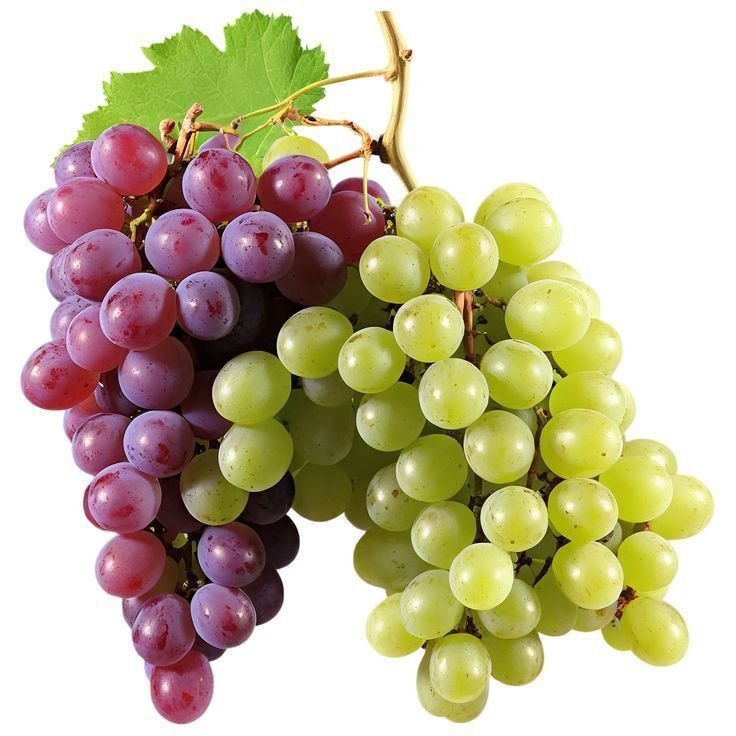
Grapes: The Sweet and Nutritious Fruit of Nature Introduction Grapes are one of the oldest and most widely cultivated fruits in the world, loved for their sweet taste, juicy texture, and impressive nutritional benefits. Scientifically known as Vitis vinifera, grapes are enjoyed fresh, dried as raisins, or processed into juices, jams, and various culinary products. Available in a variety of colors including green, red, black, and purple, grapes are a delicious and healthy addition to any diet. Packed with vitamins, minerals, antioxidants, and natural sugars, grapes are often considered a powerhouse fruit that supports overall health and wellness. Origin and History of Grapes Grapes have been cultivated for over 8,000 years and are believed to have originated in regions near the Mediterranean and Western Asia. Throughout history, grapes have played an important role in agriculture, culture, and trade. Today, grapes are grown in many countries around the world, including India, Italy, Spain, the United States, Turkey, and China. Their popularity continues to grow due to their versatility, nutritional value, and delicious flavor. Physical Characteristics Appearance Small, round or oval-shaped fruits. Grow in clusters on vines. Available in green, red, black, purple, and pink varieties. Smooth and thin edible skin. Texture Juicy and tender flesh. Soft yet firm consistency. Contains small seeds in some varieties, while others are seedless. Flavor Naturally sweet with mild tartness. Refreshing and juicy taste. Flavor varies slightly depending on the variety. Nutritional Value of Grapes Grapes are rich in essential nutrients that contribute to overall health. Rich in Vitamins Vitamin C supports immunity. Vitamin K helps maintain healthy bones and blood clotting. Contains several B-complex vitamins. Powerful Antioxidants Grapes contain: Resveratrol Flavonoids Anthocyanins Polyphenols These compounds help protect the body from oxidative stress. Essential Minerals Grapes provide: Potassium Copper Manganese Magnesium Natural Energy Source Natural fruit sugars provide quick and healthy energy. Dietary Fiber Supports digestion and promotes gut health. Health Benefits of Grapes Supports Heart Health Antioxidants and potassium help maintain healthy blood pressure and cardiovascular function. Boosts Immunity Vitamin C strengthens the body’s natural defense system against illnesses. Promotes Healthy Digestion Fiber supports regular bowel movements and digestive comfort. Supports Brain Function Certain antioxidants in grapes may help protect brain cells and support cognitive health. Improves Skin Health Vitamin C and antioxidants contribute to healthy, glowing skin. Helps Reduce Oxidative Stress Polyphenols help combat free radicals that can damage cells. Supports Bone Health Vitamin K and essential minerals contribute to stronger bones. Popular Varieties of Grapes Green Grapes Crisp texture. Mildly sweet flavor. Popular for fresh consumption. Red Grapes Rich color and sweetness. High antioxidant content. Black Grapes Deep purple to black skin. Intensely sweet flavor. Rich in anthocyanins. Seedless Grapes Easy to eat. Popular among children and adults alike. Harvest Season Grapes are generally harvested during late summer and early autumn, depending on the climate and variety. In many regions, fresh grapes are available year-round due to global cultivation and storage methods. Uses of Grapes Fresh Consumption A refreshing and healthy snack enjoyed worldwide. Juices and Beverages Used in: Fresh grape juice Smoothies Fruit cocktails Dried Grapes Processed into raisins, which are widely used in baking and cooking. Desserts Added to: Fruit salads Cakes Tarts Yogurts Jams and Preserves Used to make: Jams Jellies Syrups Fruit spreads How to Select Fresh Grapes When purchasing grapes, look for: Firm and plump berries. Bright, uniform color. Fresh green stems. No wrinkles, mold, or soft spots. Grapes firmly attached to the stem. Storage Tips Refrigeration Store grapes unwashed in the refrigerator. Keep in a breathable container. Wash only before eating. Freezing Wash and dry thoroughly. Freeze for smoothies and frozen snacks. Shelf Life Fresh grapes typically remain fresh for up to one to two weeks when refrigerated properly. Why Grapes Are So Popular Grapes continue to be one of the world’s favorite fruits because they offer: Delicious natural sweetness. Excellent nutritional value. Convenient snack size. Versatile culinary uses. Rich antioxidant content. Year-round availability. Their combination of taste, convenience, and health benefits makes grapes a staple fruit in households around the world

Blog

Dragon Fruit: The Exotic Superfruit Packed with Nutrition

Dragon Fruit: The Exotic Superfruit Packed with Nutrition Introduction Dragon Fruit is one of the most visually stunning and nutritious tropical fruits in the world. Known for its vibrant pink or yellow skin and speckled flesh filled with tiny black seeds, this exotic fruit has gained immense popularity among health-conscious consumers. Scientifically known as Hylocereus and Selenicereus, Dragon Fruit is also commonly called Pitaya or Pitahaya. With its mildly sweet taste, refreshing texture, and impressive nutritional profile, Dragon Fruit is considered a true superfruit that offers numerous health benefits while adding a colorful touch to any diet. Origin and History of Dragon Fruit Dragon Fruit is native to Central and South America, where it has been cultivated for centuries. Over time, it spread to various tropical and subtropical regions, including Southeast Asia, Australia, and India. Today, countries such as Vietnam, Thailand, Malaysia, Israel, and India are among the leading producers of Dragon Fruit. Its growing popularity worldwide is largely due to its unique appearance, health benefits, and versatility. Physical Characteristics Appearance Bright pink, red, or yellow outer skin. Green, scale-like leaves covering the fruit. Oval or elongated shape. Attractive and exotic appearance. Flesh White, red, pink, or purple pulp depending on the variety. Tiny edible black seeds distributed throughout the flesh. Juicy and refreshing texture. Taste Mildly sweet and delicate flavor. Often compared to a blend of kiwi and pear. Light, refreshing, and less sugary than many tropical fruits. Nutritional Value of Dragon Fruit Dragon Fruit is low in calories but rich in essential nutrients and antioxidants. Rich in Vitamin C Supports a healthy immune system. Promotes collagen production. Helps protect cells from damage. High in Antioxidants Contains powerful antioxidants such as: Betalains Flavonoids Phenolic acids These compounds help fight oxidative stress and support overall health. Excellent Source of Fiber Supports digestive health. Promotes regular bowel movements. Helps maintain a healthy gut microbiome. Essential Minerals Dragon Fruit provides: Iron Magnesium Calcium Phosphorus Potassium Healthy Fats The tiny black seeds contain beneficial omega-3 and omega-6 fatty acids. Health Benefits of Dragon Fruit Boosts Immunity Vitamin C and antioxidants strengthen the body’s natural defense system. Supports Digestive Health Its high fiber content promotes healthy digestion and prevents constipation. Helps Maintain Heart Health Fiber, antioxidants, and healthy fats contribute to cardiovascular wellness. Supports Healthy Skin Antioxidants help protect skin cells from environmental damage and aging. Aids Weight Management Low in calories and high in fiber, Dragon Fruit helps promote feelings of fullness. Improves Iron Levels Iron content supports healthy red blood cell production and oxygen transport. Promotes Bone Health Magnesium, calcium, and phosphorus contribute to stronger bones and teeth. Popular Varieties of Dragon Fruit White-Fleshed Dragon Fruit Pink skin with white flesh. Mild sweetness. Most commonly available variety. Red-Fleshed Dragon Fruit Bright pink skin and deep red flesh. Sweeter flavor. Rich in antioxidants. Yellow Dragon Fruit Yellow outer skin with white flesh. Smaller size. Considered one of the sweetest varieties. Harvest Season Dragon Fruit typically fruits multiple times throughout the year in tropical climates. In many regions, the main harvest season occurs from June to November, although production can vary depending on climate and growing conditions. Uses of Dragon Fruit Fresh Consumption Often eaten fresh by simply scooping out the flesh with a spoon. Smoothies and Juices Perfect for: Smoothies Fresh juices Detox drinks Fruit blends Salads Adds color, texture, and sweetness to fruit and vegetable salads. Desserts Used in: Ice creams Sorbets Yogurt bowls Cakes Puddings Decorative Garnish Its vibrant colors make it a popular choice for garnishing dishes and beverages. How to Choose Fresh Dragon Fruit When purchasing Dragon Fruit, look for: Bright, evenly colored skin. Fresh green scales. Slight softness when gently pressed. No large bruises, cuts, or mold. A ripe Dragon Fruit should feel firm yet slightly tender. Storage Tips Room Temperature Store uncut fruit at room temperature for several days until fully ripe. Refrigeration Keep ripe Dragon Fruit in the refrigerator for up to one week. Freezing Cut into cubes and freeze for smoothies and desserts. Why Dragon Fruit Is So Popular Dragon Fruit has become a global favorite because it offers: Unique and attractive appearance. Refreshing taste. High nutritional value. Rich antioxidant content. Low calorie count. Versatility in recipes. Growing popularity among health-conscious consumers. Its combination of beauty, nutrition, and flavor makes it one of the most sought-after exotic fruits worldwide. 🐉🍈✨

Shopping Cart
Scroll to Top