
Seasonal Fruits

Blog

Watermelon: The Ultimate Summer Hydrating Fruit

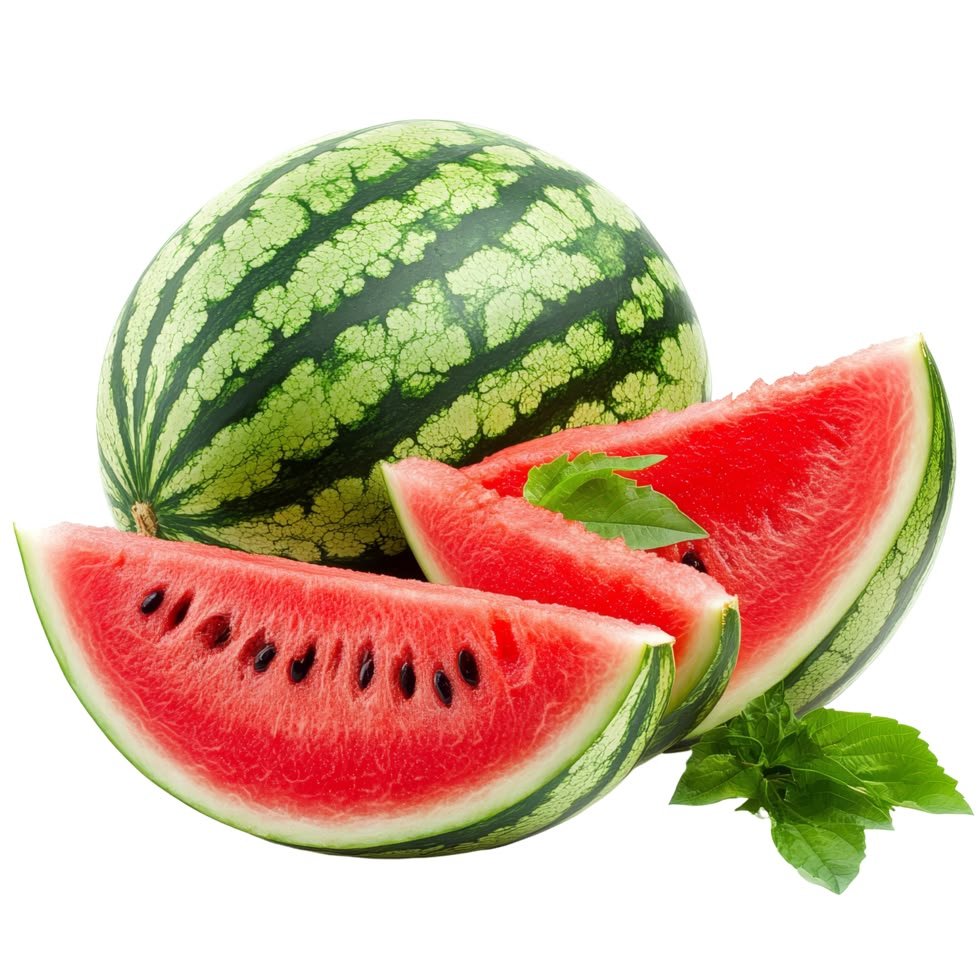
Watermelon: The Ultimate Summer Hydrating Fruit   Introduction Watermelon is one of the most refreshing and loved fruits in the world, especially during hot summer days. Known scientifically as Citrullus lanatus, watermelon is famous for its high water content, sweet taste, and cooling properties. This juicy fruit is not only delicious but also packed with essential nutrients, antioxidants, and hydration benefits that make it a perfect choice for maintaining health in warm climates. Whether eaten fresh, blended into juices, or added to fruit salads, watermelon is a symbol of summer refreshment and natural hydration. Origin and History of Watermelon Watermelon is believed to have originated in Africa thousands of years ago, where it was first cultivated for its water-rich content. Over time, it spread to different parts of the world, including Asia, Europe, and the Americas. Today, watermelon is grown in many countries with warm climates, including India, China, Turkey, Brazil, and the United States. It has become one of the most widely consumed fruits during summer seasons due to its cooling and hydrating properties. Physical Characteristics Appearance Large round or oval-shaped fruit. Thick green outer rind, often striped or solid. Bright red, pink, yellow, or orange flesh inside. Contains black or white edible seeds (varies by variety). Texture Extremely juicy and watery. Soft and crisp flesh. Flavor Mildly sweet and refreshing. Naturally hydrating with a clean taste. Nutritional Value of Watermelon Watermelon is low in calories but rich in hydration and essential nutrients. High Water Content Contains about 90–92% water. Helps keep the body hydrated. Rich in Vitamins Vitamin C supports immunity and skin health. Vitamin A supports eye health and vision. Contains Vitamin B6 for energy metabolism. Powerful Antioxidants Lycopene helps protect cells and supports heart health. Beta-carotene supports skin and eye health. Essential Minerals Potassium Magnesium Small amounts of iron and calcium Low in Calories Ideal for weight management and healthy snacking. Health Benefits of Watermelon Keeps the Body Hydrated Its high water content helps prevent dehydration, especially during hot weather. Supports Heart Health Lycopene and potassium help maintain healthy blood pressure and heart function. Aids Digestion Water and fiber help improve digestion and prevent constipation. Boosts Skin Health Vitamin C and antioxidants help maintain glowing and healthy skin. Reduces Muscle Soreness Amino acids like citrulline may help reduce post-exercise muscle fatigue. Supports Weight Loss Low in calories and high in water, watermelon promotes fullness without excess calories. Improves Eye Health Vitamin A helps maintain good vision and eye protection. Popular Varieties of Watermelon Seedless Watermelon Easy to eat. Sweet and convenient. Red-Fleshed Watermelon Most common variety. Sweet and juicy. Yellow Watermelon Yellow or golden flesh. Slightly honey-like taste. Mini Watermelon Smaller size. Perfect for single or small families. Harvest Season Watermelon is a warm-season fruit, typically harvested in late spring and summer. In India and many tropical countries, peak season is from March to July, when the fruit is at its sweetest and juiciest. Uses of Watermelon Fresh Consumption Best enjoyed chilled and sliced as a refreshing snack. Juices and Beverages Used in: Fresh watermelon juice Smoothies Summer coolers Mocktails Fruit Salads Adds sweetness and hydration to mixed fruit bowls. Desserts Used in: Sorbets Popsicles Ice creams Fruit-based desserts Seeds Watermelon seeds are edible and can be roasted for a healthy snack. How to Select Fresh Watermelon When choosing a watermelon, look for: A uniform shape without dents or cracks. A dull green rind (not shiny). A yellow spot on the bottom (indicates ripeness). Heavy weight for its size. A hollow sound when tapped. Storage Tips Whole Watermelon Store at room temperature until cut. Keep in a cool, dry place. Cut Watermelon Refrigerate immediately in airtight containers. Consume within 2–3 days for best taste. Freezing Cut into cubes and freeze for smoothies and drinks. Why Watermelon Is So Popular Watermelon is loved worldwide because it offers: Ultimate hydration. Sweet and refreshing taste. Low calorie content. Easy availability in summer. Versatility in recipes. Cooling effect for the body. It is truly one of the best fruits for beating summer heat
Blog

Grapes: The Sweet and Nutritious Fruit of Nature

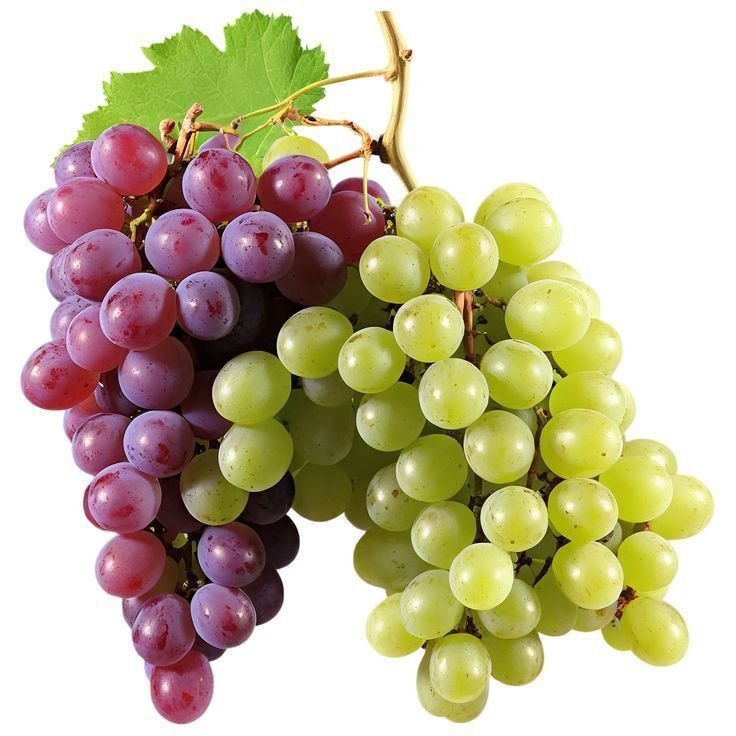
Grapes: The Sweet and Nutritious Fruit of Nature Introduction Grapes are one of the oldest and most widely cultivated fruits in the world, loved for their sweet taste, juicy texture, and impressive nutritional benefits. Scientifically known as Vitis vinifera, grapes are enjoyed fresh, dried as raisins, or processed into juices, jams, and various culinary products. Available in a variety of colors including green, red, black, and purple, grapes are a delicious and healthy addition to any diet. Packed with vitamins, minerals, antioxidants, and natural sugars, grapes are often considered a powerhouse fruit that supports overall health and wellness. Origin and History of Grapes Grapes have been cultivated for over 8,000 years and are believed to have originated in regions near the Mediterranean and Western Asia. Throughout history, grapes have played an important role in agriculture, culture, and trade. Today, grapes are grown in many countries around the world, including India, Italy, Spain, the United States, Turkey, and China. Their popularity continues to grow due to their versatility, nutritional value, and delicious flavor. Physical Characteristics Appearance Small, round or oval-shaped fruits. Grow in clusters on vines. Available in green, red, black, purple, and pink varieties. Smooth and thin edible skin. Texture Juicy and tender flesh. Soft yet firm consistency. Contains small seeds in some varieties, while others are seedless. Flavor Naturally sweet with mild tartness. Refreshing and juicy taste. Flavor varies slightly depending on the variety. Nutritional Value of Grapes Grapes are rich in essential nutrients that contribute to overall health. Rich in Vitamins Vitamin C supports immunity. Vitamin K helps maintain healthy bones and blood clotting. Contains several B-complex vitamins. Powerful Antioxidants Grapes contain: Resveratrol Flavonoids Anthocyanins Polyphenols These compounds help protect the body from oxidative stress. Essential Minerals Grapes provide: Potassium Copper Manganese Magnesium Natural Energy Source Natural fruit sugars provide quick and healthy energy. Dietary Fiber Supports digestion and promotes gut health. Health Benefits of Grapes Supports Heart Health Antioxidants and potassium help maintain healthy blood pressure and cardiovascular function. Boosts Immunity Vitamin C strengthens the body’s natural defense system against illnesses. Promotes Healthy Digestion Fiber supports regular bowel movements and digestive comfort. Supports Brain Function Certain antioxidants in grapes may help protect brain cells and support cognitive health. Improves Skin Health Vitamin C and antioxidants contribute to healthy, glowing skin. Helps Reduce Oxidative Stress Polyphenols help combat free radicals that can damage cells. Supports Bone Health Vitamin K and essential minerals contribute to stronger bones. Popular Varieties of Grapes Green Grapes Crisp texture. Mildly sweet flavor. Popular for fresh consumption. Red Grapes Rich color and sweetness. High antioxidant content. Black Grapes Deep purple to black skin. Intensely sweet flavor. Rich in anthocyanins. Seedless Grapes Easy to eat. Popular among children and adults alike. Harvest Season Grapes are generally harvested during late summer and early autumn, depending on the climate and variety. In many regions, fresh grapes are available year-round due to global cultivation and storage methods. Uses of Grapes Fresh Consumption A refreshing and healthy snack enjoyed worldwide. Juices and Beverages Used in: Fresh grape juice Smoothies Fruit cocktails Dried Grapes Processed into raisins, which are widely used in baking and cooking. Desserts Added to: Fruit salads Cakes Tarts Yogurts Jams and Preserves Used to make: Jams Jellies Syrups Fruit spreads How to Select Fresh Grapes When purchasing grapes, look for: Firm and plump berries. Bright, uniform color. Fresh green stems. No wrinkles, mold, or soft spots. Grapes firmly attached to the stem. Storage Tips Refrigeration Store grapes unwashed in the refrigerator. Keep in a breathable container. Wash only before eating. Freezing Wash and dry thoroughly. Freeze for smoothies and frozen snacks. Shelf Life Fresh grapes typically remain fresh for up to one to two weeks when refrigerated properly. Why Grapes Are So Popular Grapes continue to be one of the world’s favorite fruits because they offer: Delicious natural sweetness. Excellent nutritional value. Convenient snack size. Versatile culinary uses. Rich antioxidant content. Year-round availability. Their combination of taste, convenience, and health benefits makes grapes a staple fruit in households around the world

Shopping Cart
Scroll to Top