
Summer Fruit

Blog

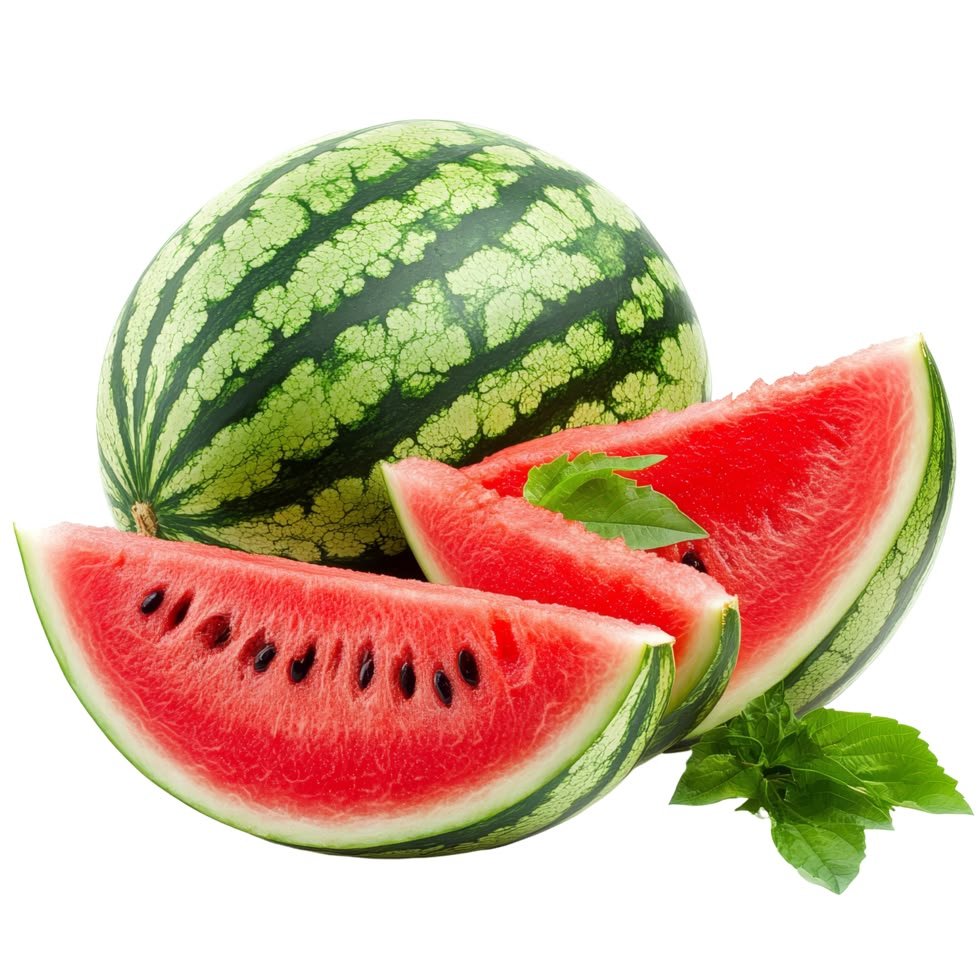
Watermelon: The Ultimate Summer Hydrating Fruit

Watermelon: The Ultimate Summer Hydrating Fruit   Introduction Watermelon is one of the most refreshing and loved fruits in the world, especially during hot summer days. Known scientifically as Citrullus lanatus, watermelon is famous for its high water content, sweet taste, and cooling properties. This juicy fruit is not only delicious but also packed with essential nutrients, antioxidants, and hydration benefits that make it a perfect choice for maintaining health in warm climates. Whether eaten fresh, blended into juices, or added to fruit salads, watermelon is a symbol of summer refreshment and natural hydration. Origin and History of Watermelon Watermelon is believed to have originated in Africa thousands of years ago, where it was first cultivated for its water-rich content. Over time, it spread to different parts of the world, including Asia, Europe, and the Americas. Today, watermelon is grown in many countries with warm climates, including India, China, Turkey, Brazil, and the United States. It has become one of the most widely consumed fruits during summer seasons due to its cooling and hydrating properties. Physical Characteristics Appearance Large round or oval-shaped fruit. Thick green outer rind, often striped or solid. Bright red, pink, yellow, or orange flesh inside. Contains black or white edible seeds (varies by variety). Texture Extremely juicy and watery. Soft and crisp flesh. Flavor Mildly sweet and refreshing. Naturally hydrating with a clean taste. Nutritional Value of Watermelon Watermelon is low in calories but rich in hydration and essential nutrients. High Water Content Contains about 90–92% water. Helps keep the body hydrated. Rich in Vitamins Vitamin C supports immunity and skin health. Vitamin A supports eye health and vision. Contains Vitamin B6 for energy metabolism. Powerful Antioxidants Lycopene helps protect cells and supports heart health. Beta-carotene supports skin and eye health. Essential Minerals Potassium Magnesium Small amounts of iron and calcium Low in Calories Ideal for weight management and healthy snacking. Health Benefits of Watermelon Keeps the Body Hydrated Its high water content helps prevent dehydration, especially during hot weather. Supports Heart Health Lycopene and potassium help maintain healthy blood pressure and heart function. Aids Digestion Water and fiber help improve digestion and prevent constipation. Boosts Skin Health Vitamin C and antioxidants help maintain glowing and healthy skin. Reduces Muscle Soreness Amino acids like citrulline may help reduce post-exercise muscle fatigue. Supports Weight Loss Low in calories and high in water, watermelon promotes fullness without excess calories. Improves Eye Health Vitamin A helps maintain good vision and eye protection. Popular Varieties of Watermelon Seedless Watermelon Easy to eat. Sweet and convenient. Red-Fleshed Watermelon Most common variety. Sweet and juicy. Yellow Watermelon Yellow or golden flesh. Slightly honey-like taste. Mini Watermelon Smaller size. Perfect for single or small families. Harvest Season Watermelon is a warm-season fruit, typically harvested in late spring and summer. In India and many tropical countries, peak season is from March to July, when the fruit is at its sweetest and juiciest. Uses of Watermelon Fresh Consumption Best enjoyed chilled and sliced as a refreshing snack. Juices and Beverages Used in: Fresh watermelon juice Smoothies Summer coolers Mocktails Fruit Salads Adds sweetness and hydration to mixed fruit bowls. Desserts Used in: Sorbets Popsicles Ice creams Fruit-based desserts Seeds Watermelon seeds are edible and can be roasted for a healthy snack. How to Select Fresh Watermelon When choosing a watermelon, look for: A uniform shape without dents or cracks. A dull green rind (not shiny). A yellow spot on the bottom (indicates ripeness). Heavy weight for its size. A hollow sound when tapped. Storage Tips Whole Watermelon Store at room temperature until cut. Keep in a cool, dry place. Cut Watermelon Refrigerate immediately in airtight containers. Consume within 2–3 days for best taste. Freezing Cut into cubes and freeze for smoothies and drinks. Why Watermelon Is So Popular Watermelon is loved worldwide because it offers: Ultimate hydration. Sweet and refreshing taste. Low calorie content. Easy availability in summer. Versatility in recipes. Cooling effect for the body. It is truly one of the best fruits for beating summer heat

mango

Kesar Mango: The Queen of Indian Mangoes

Kesar Mango: The Queen of Indian Mangoes Introduction The Kesar Mango is one of India’s most celebrated mango varieties, renowned for its rich aroma, vibrant saffron-colored pulp, and exceptionally sweet taste. Often referred to as the “Queen of Mangoes,” Kesar mangoes are highly prized by fruit lovers, chefs, and exporters worldwide. Originating from the western state of Gujarat, this premium mango variety has earned a special place in both domestic and international markets due to its unique flavor profile and superior quality. Origin and History of Kesar Mango The Kesar mango originated in the foothills of the Girnar Mountains in the Junagadh district of Gujarat, India. It was first cultivated in the early 20th century and gained popularity because of its distinctive saffron-colored flesh. The name “Kesar” itself means saffron in Hindi, inspired by the mango’s bright orange-yellow pulp. Today, Kesar mangoes are primarily grown in the Gir region of Gujarat, where the favorable climate and fertile soil contribute to their exceptional taste and quality. The variety has also received Geographical Indication (GI) status, recognizing its unique regional identity. Physical Characteristics Appearance Medium-sized fruit with a round to oval shape. Golden-yellow skin with a slight green tinge when fully ripe. Smooth and attractive exterior. Average weight ranges between 200–300 grams. Pulp Deep orange or saffron-colored flesh. Fiberless and smooth texture. Juicy and highly aromatic. Taste Rich sweetness balanced with mild acidity. Distinct tropical flavor. Intensely fragrant, making it a favorite among mango enthusiasts. Nutritional Benefits of Kesar Mango Kesar mangoes are not only delicious but also packed with essential nutrients. Rich in Vitamins Excellent source of Vitamin A for healthy vision. Contains Vitamin C, which strengthens immunity. Provides Vitamin E and B-complex vitamins. High in Antioxidants Helps combat free radicals. Supports skin health and overall wellness. Dietary Fiber Promotes healthy digestion. Helps maintain gut health. Natural Energy Booster Rich in natural sugars and carbohydrates. Provides instant energy during summer months. Health Benefits Supports Immune Function The high Vitamin C content helps strengthen the body’s natural defense system. Improves Eye Health Vitamin A and carotenoids contribute to better vision and eye protection. Enhances Skin Glow Antioxidants and vitamins help maintain healthy, radiant skin. Aids Digestion Natural enzymes and dietary fiber assist in smooth digestion and prevent constipation. Promotes Heart Health Potassium and antioxidants support cardiovascular wellness when consumed as part of a balanced diet. Harvest Season Kesar mangoes are typically harvested between May and July. During this period, fresh fruits become available in markets across India and are exported to various countries, including the United States, United Kingdom, Canada, and the Middle East. The peak season usually occurs in May and June, when the fruit reaches its best flavor and sweetness. Uses of Kesar Mango Fresh Consumption Enjoyed as a table fruit due to its exceptional sweetness and aroma. Mango Pulp Widely used in: Smoothies Milkshakes Ice creams Yogurts Desserts Traditional Indian Sweets Perfect for preparing: Aamras Mango shrikhand Mango kulfi Mango mousse Processed Products Used in: Juices Jams Squashes Purees Bakery products How to Identify Genuine Kesar Mangoes When purchasing Kesar mangoes, look for: Bright golden-yellow skin. Strong natural aroma near the stem. Firm but slightly soft texture when ripe. Uniform saffron-colored pulp. Sweet fragrance without any fermented smell. Avoid fruits with excessive wrinkles, dark spots, or artificial coloring. Storage Tips Unripe Mangoes Store at room temperature until ripe. Keep away from direct sunlight. Ripe Mangoes Refrigerate to maintain freshness. Consume within 4–7 days for the best flavor. Mango Pulp Store in airtight containers. Freeze for long-term use. Why Kesar Mango Is So Popular Several factors make Kesar mango one of the most sought-after mango varieties: Exceptional sweetness and aroma. Fiberless, smooth texture. Attractive saffron-colored pulp. High nutritional value. Strong export demand. Ideal for fresh consumption and processing. Its premium quality and unforgettable taste continue to make it a favorite among mango lovers around the world.  

Shopping Cart
Scroll to Top